
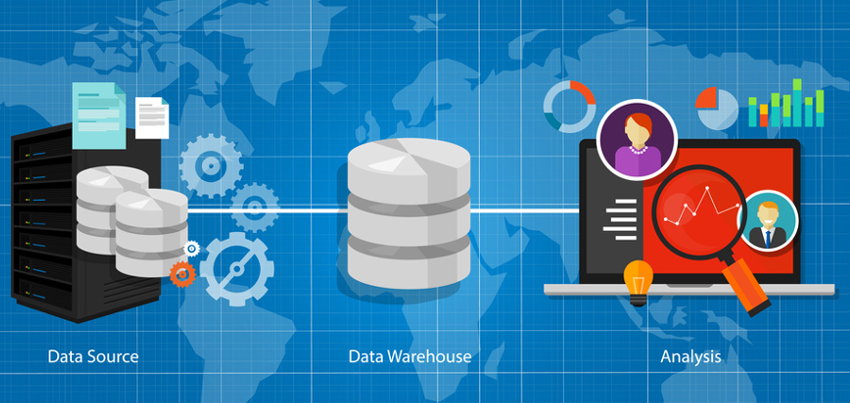
In today’s hyper-competitive landscape, data is the lifeblood of innovation and decision-making. However, raw data alone doesn’t create insights—it’s the ability to collect, store, and analyze it effectively that drives success. This is where a well-implemented data warehouse becomes a game-changer for businesses.
But here’s the truth: not all data warehouse projects are created equal. According to industry studies, over 50% of data warehouse initiatives fail to meet expectations due to improper planning, lack of expertise, or inefficient execution. At [Your Tech Consultancy Company Name], we believe every organization deserves a data infrastructure tailored for excellence. Let’s explore the steps to ensure a successful implementation, with insights from our hands-on experience and cloud computing expertise.
1. Define Clear Business Objectives
A data warehouse isn’t just a storage repository—it’s a strategic asset. Begin with a crystal-clear understanding of what you want to achieve. Are you aiming to improve sales forecasting? Enhance customer personalization? Optimize supply chain management? Defining your objectives will drive every subsequent decision, from architecture to data integration.
Pro Tip: Collaborate with stakeholders from across departments to ensure alignment on goals and KPIs.
2. Choose the Right Technology Stack
Cloud computing has revolutionized how organizations approach data warehousing. Platforms like Amazon Redshift, Google BigQuery, and Snowflake provide scalable, cost-effective solutions that eliminate the limitations of on-premises systems. Among these, AWS stands out for its flexibility, security, and rich ecosystem.
Why AWS Redshift?
- Seamless integration with other AWS services like S3 and Glue for ETL processes.
- Auto-scaling capabilities to handle evolving workloads.
- Advanced security features, including encryption and role-based access.
Choosing the right platform is not just about features but about aligning technology with your specific business requirements.
3. Prioritize Data Governance and Quality
A data warehouse is only as good as the quality of its data. Implement robust data governance frameworks to ensure consistency, accuracy, and compliance. Leverage tools like AWS Lake Formation or AWS Glue Data Catalog to manage metadata and enforce access policies.
Key Considerations:
- Establish clear ownership of data across teams.
- Monitor for duplicate, incomplete, or outdated records.
- Regularly audit for compliance with regulations such as GDPR or CCPA.
4. Optimize ETL Processes
Extract, Transform, Load (ETL) is the backbone of any data warehouse project. An optimized ETL process ensures that data flows seamlessly from source systems to your warehouse, enabling timely and reliable insights.
Best Practices:
- Use AWS Glue for serverless ETL jobs, reducing operational overhead.
- Schedule data pipelines using AWS Step Functions to ensure real-time updates.
- Leverage Amazon EMR for processing large datasets efficiently.
5. Build for Scalability and Future Growth
Your data needs today won’t be the same as tomorrow. A successful implementation considers scalability from day one. Cloud-native solutions like Amazon Redshift Spectrum allow you to query data across your warehouse and data lake without additional data movement, ensuring flexibility as your needs evolve.
Pro Tip: Design your architecture with modularity in mind, enabling easy integration of new data sources and analytics tools.
6. Empower Teams with Data Democratization
A data warehouse only delivers value if it’s accessible to those who need it. Equip teams with intuitive tools like Amazon QuickSight or Tableau for self-service analytics, ensuring they can derive insights without relying on IT bottlenecks.
7. Partner with Experts
Implementing a data warehouse involves navigating complex technical and business challenges. Partnering with experienced consultants ensures best practices, faster implementation, and tailored solutions that align with your unique needs.
At Wayki Consulting, we specialize in end-to-end data warehouse solutions powered by AWS and other cutting-edge platforms. Our team of cloud architects and data engineers work closely with you to deliver a solution that drives measurable business outcomes.
Your Data Journey Starts Here
A successful data warehouse isn’t just about technology—it’s about aligning people, processes, and platforms to unlock the true potential of your data. Whether you’re starting from scratch or modernizing an existing system, our proven methodologies ensure your project is not just another statistic.
Ready to transform your data strategy? Contact us today for a consultation and let’s build the foundation for your next wave of innovation.
Tags :
data